
Think about how you researched your last major purchase. Chances are, you didn’t scroll through ten blue links. You asked a question — maybe out loud, maybe typed into an AI tool — and got a synthesized answer. That answer probably named a few brands. Most brands in your industry weren’t one of them.
That gap between ranking and being referenced is exactly what generative engine optimization was built to close.
What Is Generative Engine Optimization, Exactly?
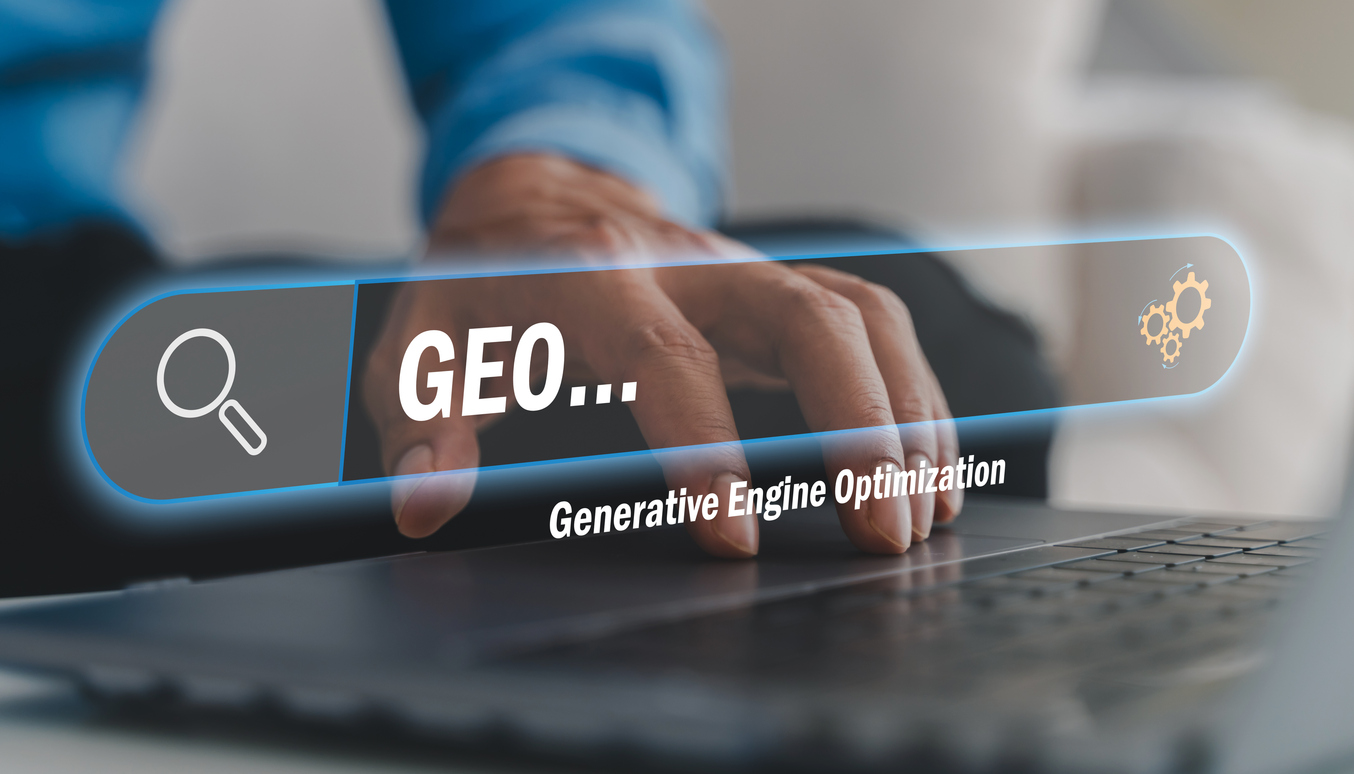
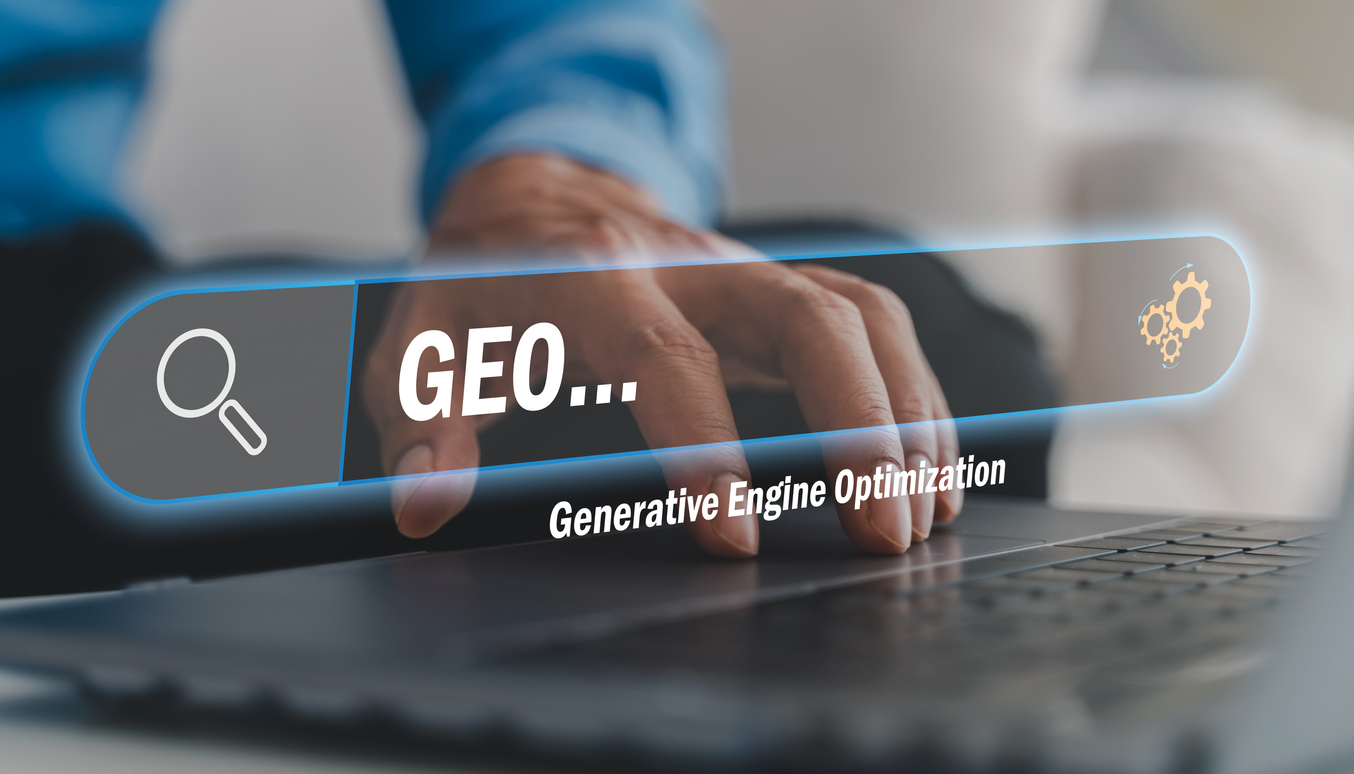
Strip away the jargon and the answer is surprisingly clear: generative engine optimization (GEO) is the practice of structuring your brand’s content and digital presence so that AI-generated answers — from tools like ChatGPT, Google’s AI Overviews, Perplexity, and Gemini — are likely to reference, cite, or recommend you.
Traditional SEO earns a position on a results page. GEO earns a mention in a conversation. Those are genuinely different outcomes, and they require genuinely different tactics. A site can hold a top-three Google ranking while being completely absent from every AI-generated response in its category. That’s not hypothetical — it’s already happening across industries.
Why the Mechanics of AI Search Change Everything
Here’s what makes AI search different from keyword search: AI models don’t retrieve pages. They reconstruct answers. When a user asks, “What’s the best outreach platform for B2B sales teams?” a generative AI tool isn’t checking who ranked #1. It’s drawing on patterns in its training data — what sources it absorbed, how authoritatively those sources discussed the topic, and how cleanly the information could be synthesized.
AI visibility, therefore, isn’t about being findable. It’s about being understandable — to a machine that’s trying to summarize your expertise in a sentence or two. That’s a fundamentally different design challenge than SEO.
The implications for content strategy are significant. Short, generic blog posts that skim the surface of a topic aren’t likely to get surfaced. Long, padded pieces stuffed with keywords won’t fare much better. What actually performs is content that is authoritative, structured, and answer-shaped from the first paragraph.
The Benefits of GEO Go Beyond Search Rankings
If AI citation were only about traffic, it would still matter. But the benefits of GEO run deeper:
Trust by association: When an AI tool recommends your brand in response to a question, it carries an implicit endorsement. Users treat AI-sourced recommendations with more trust than paid ads — and often more trust than organic search results. Being cited in that context builds brand authority in a way traditional rankings can’t fully replicate.
Conversational reach: Millions of queries are now handled by AI assistants — on phones, inside browsers, embedded in apps. These interactions don’t appear in any traditional analytics dashboard. GEO is one of the few strategies designed to reach users in those zero-click, zero-impression environments.
Compounding authority: Every piece of content that positions your brand as the clearest, most direct answer to a specific question adds to a cumulative signal. Over time, that signal shapes how AI models perceive and represent your expertise — which feeds into GEO marketing strategies that only grow stronger with consistent execution.
AI-Enhanced Community Engagement: The Social Layer Nobody’s Talking About
One underrated aspect of GEO is the connection between AI-enhanced community engagement and AI citation. AI models don’t only train on formal content. They absorb social signals, forum discussions, community conversations, and review ecosystems. Brands that actively participate in authentic conversations — across LinkedIn, Reddit, industry communities, and specialist publications — build a digital footprint that AI models can cross-reference.
This means outreach strategy and GEO strategy aren’t separate workstreams. They’re the same thing from different angles. Building your brand’s voice in the places where your audience actually talks is, simultaneously, building your AI visibility across the tools they increasingly use to make decisions.
Where TruOutreach Fits Into This Equation
The bridge between great GEO strategy and measurable business growth is execution — and that’s where most brands run into friction. TruOutreach is built to help companies cut through that friction. Rather than chasing outreach volume or generic lead lists, TruOutreach focuses on precision engagement: putting your brand’s message in front of the right audiences, in the right contexts, at the right moment. In a world where AI models are learning which brands consistently show up in meaningful conversations, that kind of targeted presence doesn’t just generate leads — it builds the kind of digital authority that generative engine optimization rewards. Your next best customer is already asking questions. TruOutreach helps make sure your brand is part of the answer.
Frequently Asked Questions About GEO
What is generative engine optimization in simple terms?
GEO is the process of making your brand more likely to be cited or recommended by AI tools like ChatGPT, Gemini, and Perplexity — not just ranked by traditional search engines. It focuses on content clarity, authority signals, and answer-shaped structure.
Is GEO replacing SEO?
No — they work in parallel. SEO helps users find you through traditional search. GEO helps AI tools reference you in generated answers. A complete digital strategy needs both.
What types of content perform best for AI visibility?
Content that directly answers specific questions, uses clear structure (headers, short paragraphs, bullet points), and demonstrates genuine expertise. Thin, generic content rarely gets cited.
How long does it take to see results from GEO marketing strategies?
It depends on your domain authority and content depth. Brands with existing authority can see improvements within weeks of optimizing for AI citation. Newer brands typically see results over a three-to-six-month horizon as content accumulates.
Can small businesses benefit from generative engine optimization?
Yes — especially in niche categories. A small business that becomes the clearest, most authoritative voice on a specific topic can outperform larger competitors in AI-generated recommendations, even without matching their SEO budgets.